Oota, Aata, Paata, Data: A Festival That Wants Bengaluru to Feel Kannada Again
Together, they form a map — not of Karnataka as a territory, but of Kannada culture as a lived experience.
Jan 14, 2026, 13 06 | Updated: Jan 14, 2026, 13 50
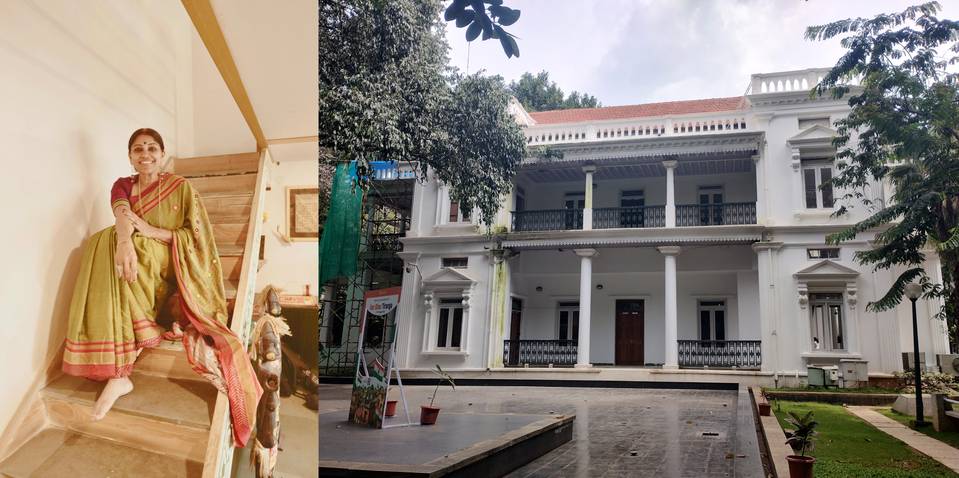
On what would have been another quiet January weekend, the National Gallery of Modern Art, Bengaluru will host something of a festival that celebrates the culture of the people of Karnataka. What makes this one stand out is that you cannot peg it as a food festival, not a literature meet, not a nostalgia exercise, but all of them, and then some.
Culture-otsava 2026, will take place on January 17 and 18 at the NGMA and it is built on four deceptively simple sensory words that define Bengaluru: Oota, Aata, Paata, Data. (Food, Game, Lesson and the last one, data, a celebration of Bengaluru’s tech primacy.) Together, they form a map — not of Karnataka as a territory, but of Kannada culture as a lived experience.
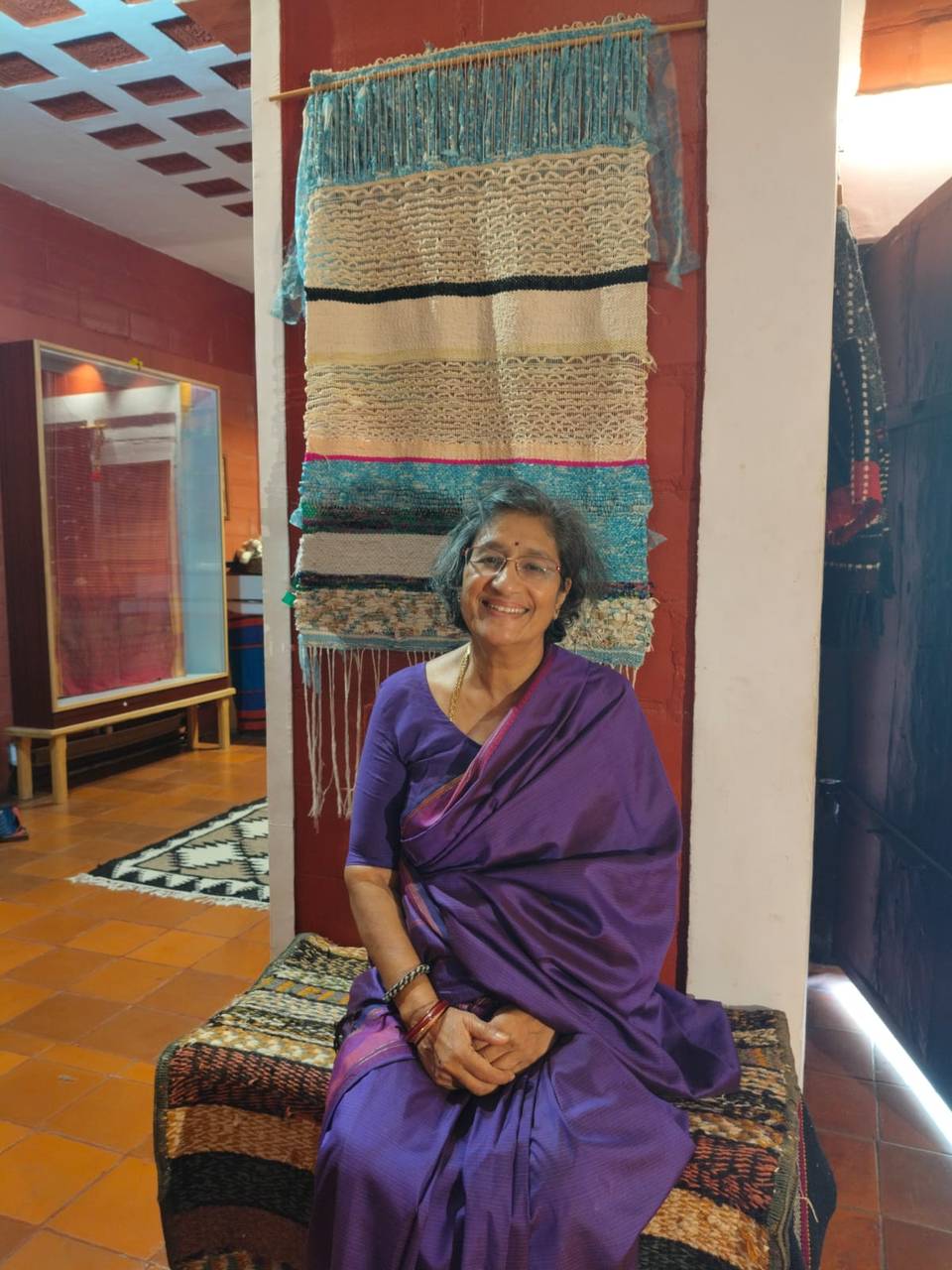
I learned about it first in Koshy’s (quite appropriately) from its curator Vasanthi Hariprakash, who stopped by to say hello to Ramjee Chandran (who will make an appearance at the festival on the 17th among several widely heard voices of the city).
Hariprakash’s media company, Pickle Jar, has long brought interesting stories to viewers across a variety of platforms and Culture-otsava is her latest curation. At the heart of the festival is an observation many Bengalureans recognise but rarely articulate. For all its reputation as a welcoming, adaptable city, Bengaluru is also home to a growing cultural chasm — and that chasm comes from the perception that Kannada is spoken less, understood unevenly, and often treated as optional, even if paint-by-sheer-numbers demographics might prove otherwise, because the largest recent migration into the city comprises people from upstate Karnataka.
But it still might be a valid perception because the most audible and most visible sights and sounds of Bengaluru — the common urban parlance of the city — includes a growing density of people who might not know anything about the local culture.
Hariprakash appears to see this not as a battle, but rather as an opportunity, where she finds an audience willing to correct that. And, not surprisingly, such an audience might not only be composed of people who are recent migrants “This isn’t about insiders and outsiders,” Hariprakash told Explocity, “It’s a cultural loss — not a loss for Kannadigas alone, but for anyone who lives here.”
Conceived over nearly eighteen months, Culture-otsava is as much for next-generation Kannadigas as it is for those who recently made Karnataka their home.
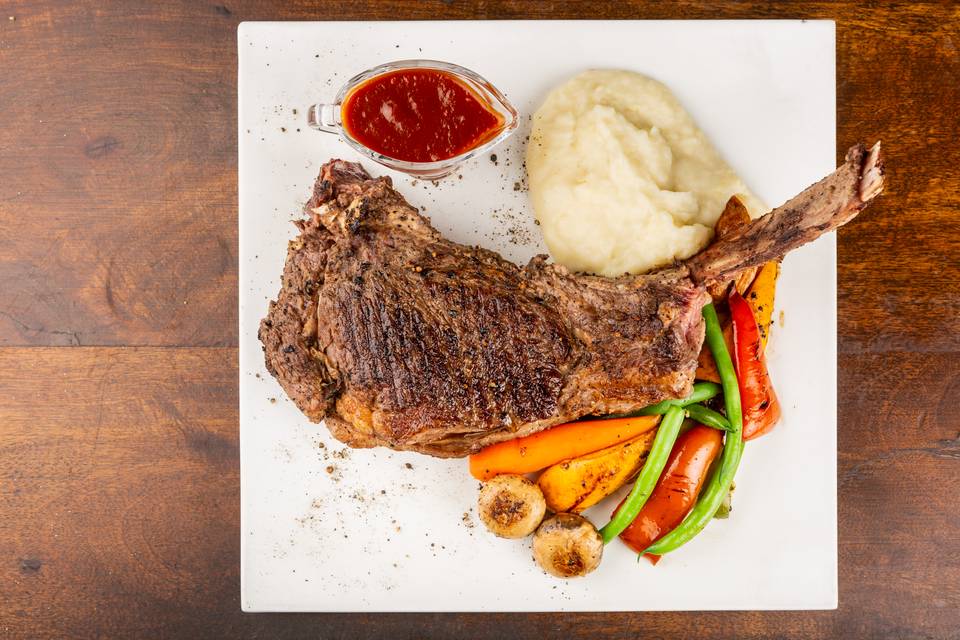
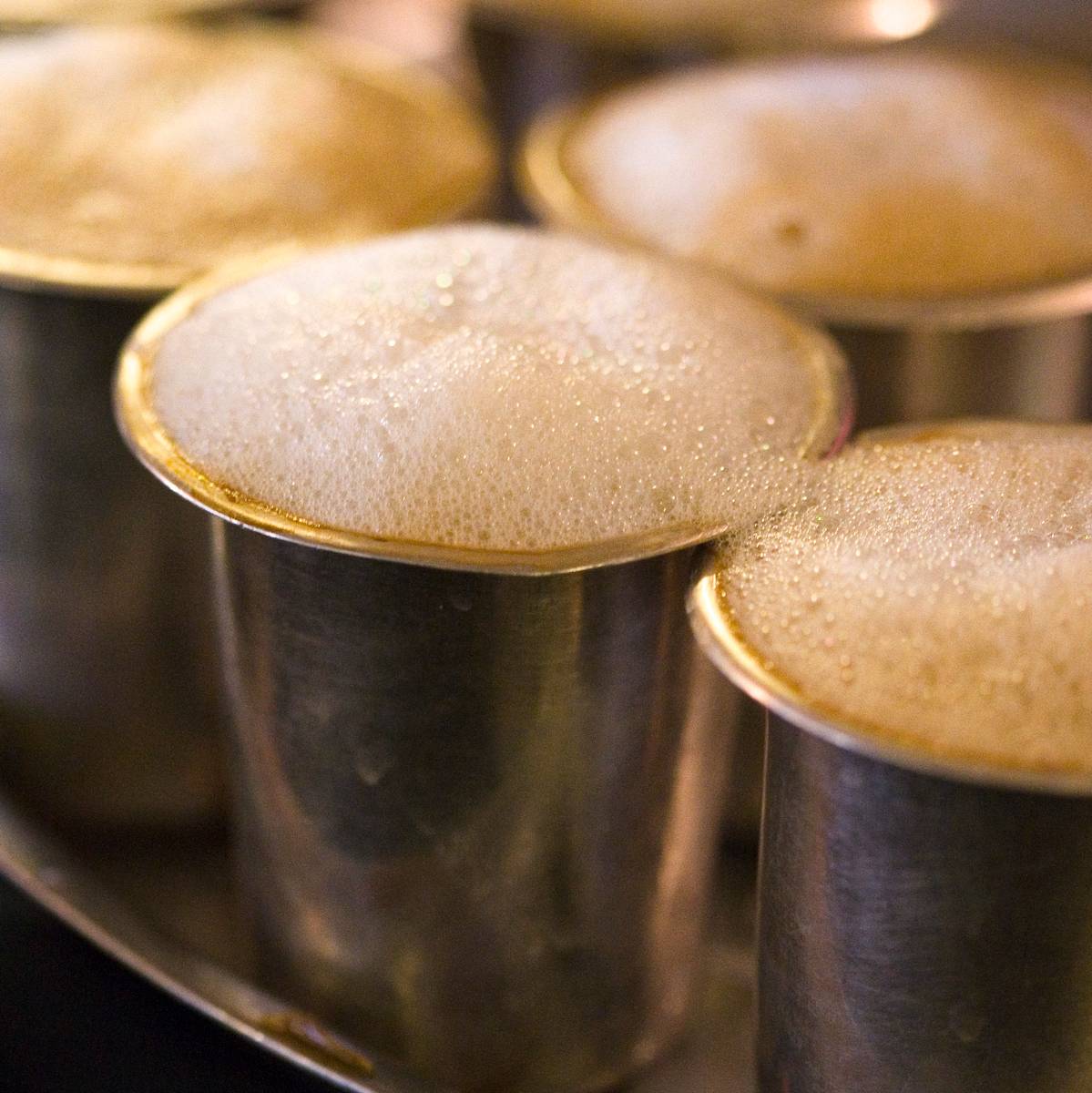
And the way to the heart of it is, of course, the stomach — Oota. Food, Hariprakash believes is the most instinctive way to understand a place. From Neer Dosai and Jolada Rotti to Puliyogare and filter coffee, the food at Culture-otsava is paired with stories — including those told by Sihi Kahi Chandru, whose decades-long engagement with Karnataka’s culinary traditions makes food not spectacle; and gives it context.
Aata follows naturally, and at the NGMA we get to see what games have been played traditionally in homes — games such as Chowka Bara, Kunte Bille and Alugulimane. This is what screenagers did back when. She collaborated with the Kavade store in Seshadripuram to find these games.
The living heart of the festival, Paata — history, but not the kind taught through dates and dynasties alone. Curated through artefacts, coins, attire, jewellery and stories, Paata lives across periods like the Hoysala and Rashtrakuta eras. Paata is the crucible in which everything else, including Oota and Aata, and indeed, Data were born.
“When you hear stories from history,” Hariprakash explains, “curiosity follows. And curiosity is the first step to belonging.”
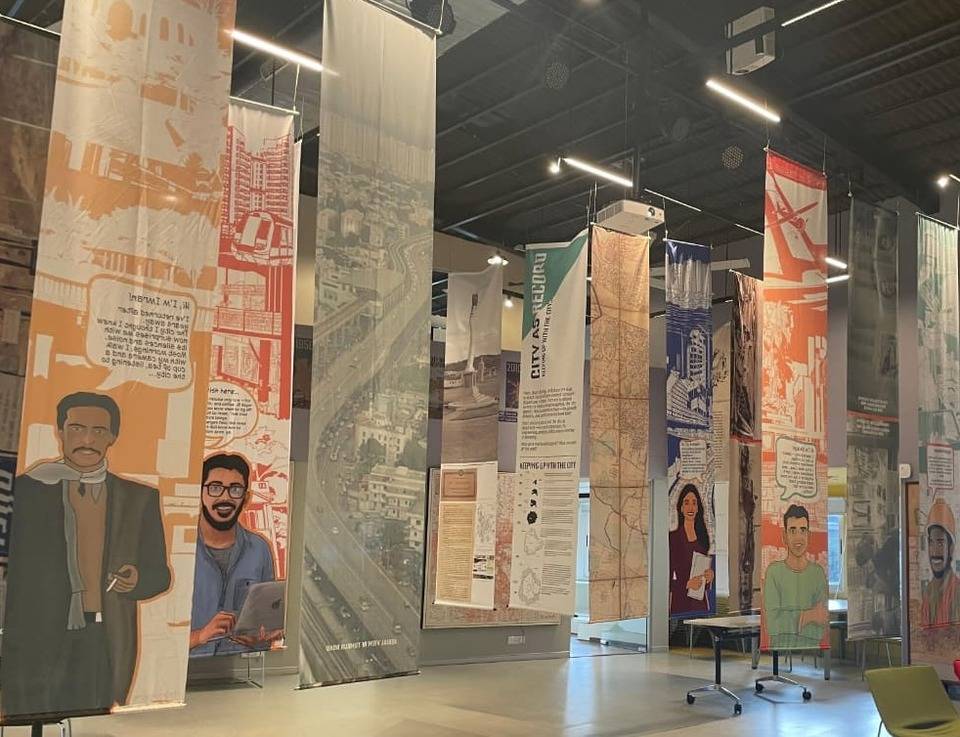
Completing the circle is Data — innovation and enterprise. From Kannada podcasters like Vasanth Shetty of Mundhe Banni to founders and creators, the zone draws a line between the region’s historic openness and its contemporary entrepreneurial spirit.
The idea for Oota, Aata, Paata, Data came to Hariprakash not in a meeting room or planning session, but, as she describes it, in a “5 a.m. lightbulb moment.” The festival took a year and a half to visualise, but its roots run much deeper—into memory, observation, and everyday life.
In a city constantly rushing towards the next big idea, Oota, Aata, Paata, Data pauses to ask a quieter question: what does it mean to truly know the place you live in?
And then, gently, it invites you to sit down and find out.
Oota, Aata, Paata, Data is taking place at NGMA as part of BLR Hubba on 17th and 18th of January.