The Pepper Trail - How Syrian Christian cuisine quietly shaped Bangalore’s idea of continental food
Long before Bangalore learnt the grammar of European dining — before fork-and-knife etiquette became a middle-class aspiration, before steak houses and café culture and baked casseroles — another cuisine had already spent centuries translating the world for the Indian palate.
May 21, 2026, 20 19 | Updated: May 21, 2026, 20 23
There are certain dishes in Bangalore that people think they understand.
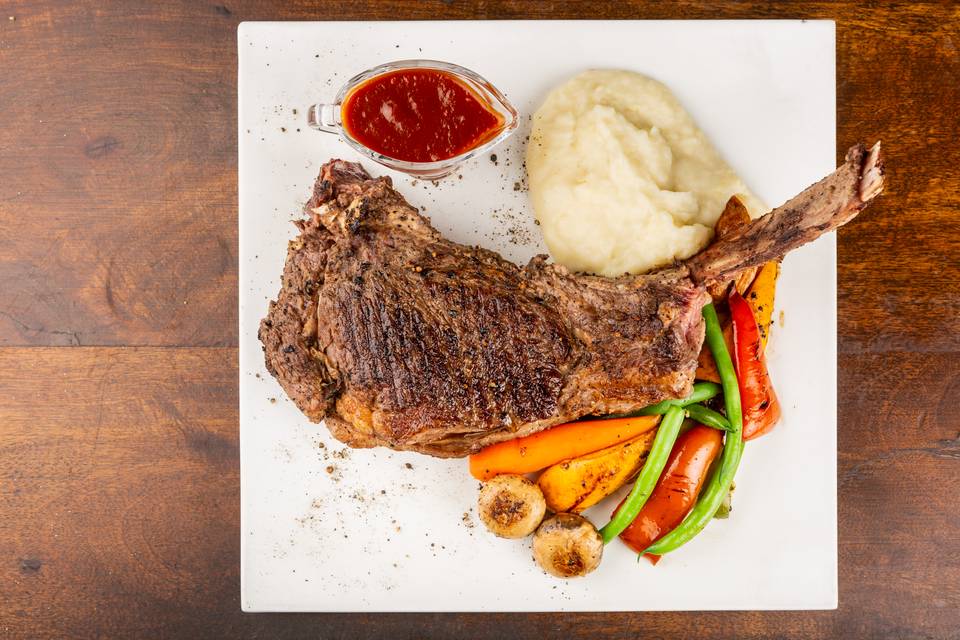
Cutlets. Stew. Roast meats. Liver on toast. Appams. Peppery beef fry. Railway-style breakfasts. Club food.
“Continental”.
But like the city itself, the story is more complicated than it first appears.
Long before Bangalore learnt the grammar of European dining — before fork-and-knife etiquette became a middle-class aspiration, before steak houses and café culture and baked casseroles — another cuisine had already spent centuries translating the world for the Indian palate.
Syrian Christian cuisine.
And in Bangalore, few places embodied that translation more subtly than Koshy's.
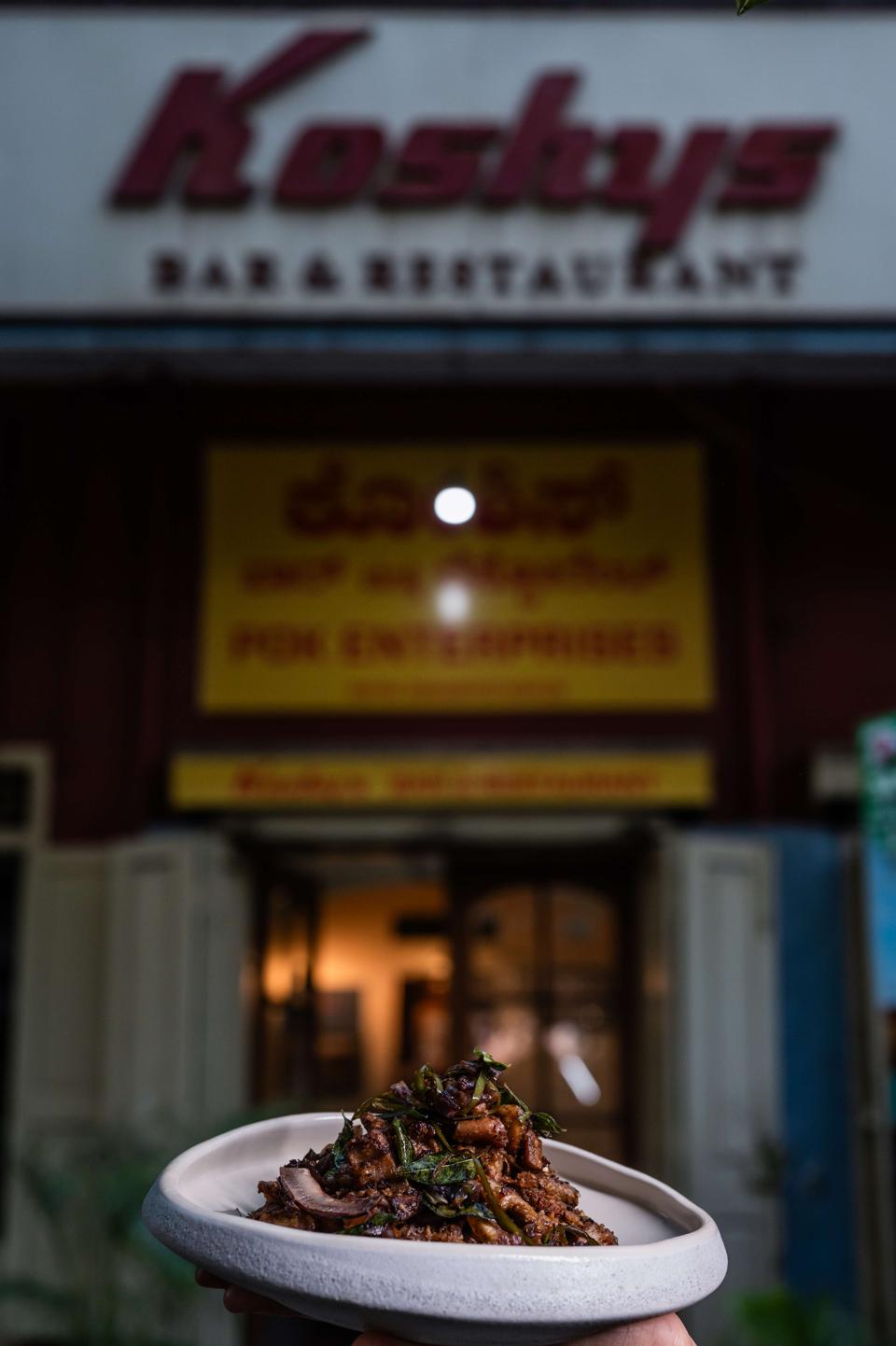
For generations of Bangaloreans, Koshy’s was where one learnt how to eat “continental” food. Ask enough old Bangaloreans and the stories begin to repeat themselves with startling consistency: first sausages here, first steak here, first caramel custard here, first proper breakfast here. For many, Koshy’s was where they learnt how to hold a fork and knife.
But beneath the restaurant’s famous continental identity lay something far older, warmer and distinctly Kerala Syrian Christian — “Syriac” by its contraction
“Appams and stew, Kerala beef… those few items stood out,” Prem Koshy told Explocity recently. “When my mom and grandma got involved, they introduced Syrian Christian dishes.”
Because Syrian Christian cuisine was perhaps India’s earliest truly global cuisine, centuries before the word “global” entered restaurant vocabulary.
The cuisine emerged along Kerala’s Malabar coast, one of the busiest spice trading regions in the ancient world. Arabs, Jews, Persians, Syrians, Portuguese traders and Europeans moved through its ports carrying not only goods but culinary ideas. The ‘Saint Thomas’- or Syrian Christians who trace their traditions back nearly two millennia, absorbed those influences and transformed them into something unmistakably ethnic to Kerala. One of those influences was that of fermenting a batter. That’s how we got Appams.
“We were hobnobbing with the Jews in Kerala,” Prem Koshy threw out casually, compressing centuries of maritime history into a single line. “We moved to Christianity and moved to eating meat.”
The statement is historically layered. Syriac households evolved some of the subcontinent’s richest meat traditions — beef, duck, pork, mutton, cured meats, bone broths, cutlets, roasts and slow-cooked stews fragrant with pepper and coconut milk. While much of India’s elite culinary history was shaped by court cuisines and temple restrictions, Syrian Christian kitchens developed around trade, spice routes, domestic hospitality and adaptation.
“In each of our provinces, like Trivandrum, we have our own recipes,” Koshy explained, claiming a long heritage, “our families go back to 52 AD. We have adapted it to our liking.”
Adaptation is perhaps the defining characteristic of the cuisine.
European techniques entered Kerala kitchens but emerged transformed. Stews thickened with coconut milk. Roasts are darkened with black pepper. Vinegar met curry leaves. Bread arrived through toddy fermentation. Spice blends intended for export returned home into domestic cooking.
While Kerala cuisine is traditionally vegetarian or seafood based, Syrian Christian food had beef and pork to set it apart. The Nambudiris and Brahmin’s converted to Christianity and then embraced the cuisine as well. Like Ularthiyathu which is the process of slow cooking or braising—a method introduced by the early Syrians. A beef Ularthiyathu has become the most recognisable Syrian Christian dish.
“Syrian Christian food was one of the first cuisines to incorporate the spices that were being exported previously,” Koshy said, “it’s pungent and sour; as far as the palate is concerned, we have the most spice tolerance.”
And that pungency — ginger, pepper, cloves, cinnamon, green chilli — feels almost geographical. This is Western Ghats cooking. Humid cooking. Monsoon cooking.“Like pepper, ginger, and stuff in the jungle,” he laughed.
In many ways, Syrian Christian cuisine — like Anglo-Indian cuisine — became the intermediary between Europe and South India. It took unfamiliar culinary forms and made them emotionally legible to Indian diners. The result was not formal European dining but something softer and more hospitable — food that retained the memory of the Kerala household even while borrowing from elsewhere.
And this might explain why Koshy’s never felt like a colonial dining room in the strict sense. It was always a lived experience; conversational and generous.
The city’s writers, politicians, theatre people, lawyers, journalists and drifters did not merely eat in Koshy’s; they occupied it.
And the food mirrored that emotional texture.
The restaurant’s continental reputation often overshadowed its Syrian Christian DNA that runs quietly beneath the menu. But it was always there — in the stews, the pepper-heavy meat preparations, the breakfasts, the warmth of the cooking.
Today, as younger diners rediscover regional cuisines with renewed seriousness, Syrian Christian food is finally emerging from the margins of “Kerala food” and being understood as a culinary tradition in its own right.
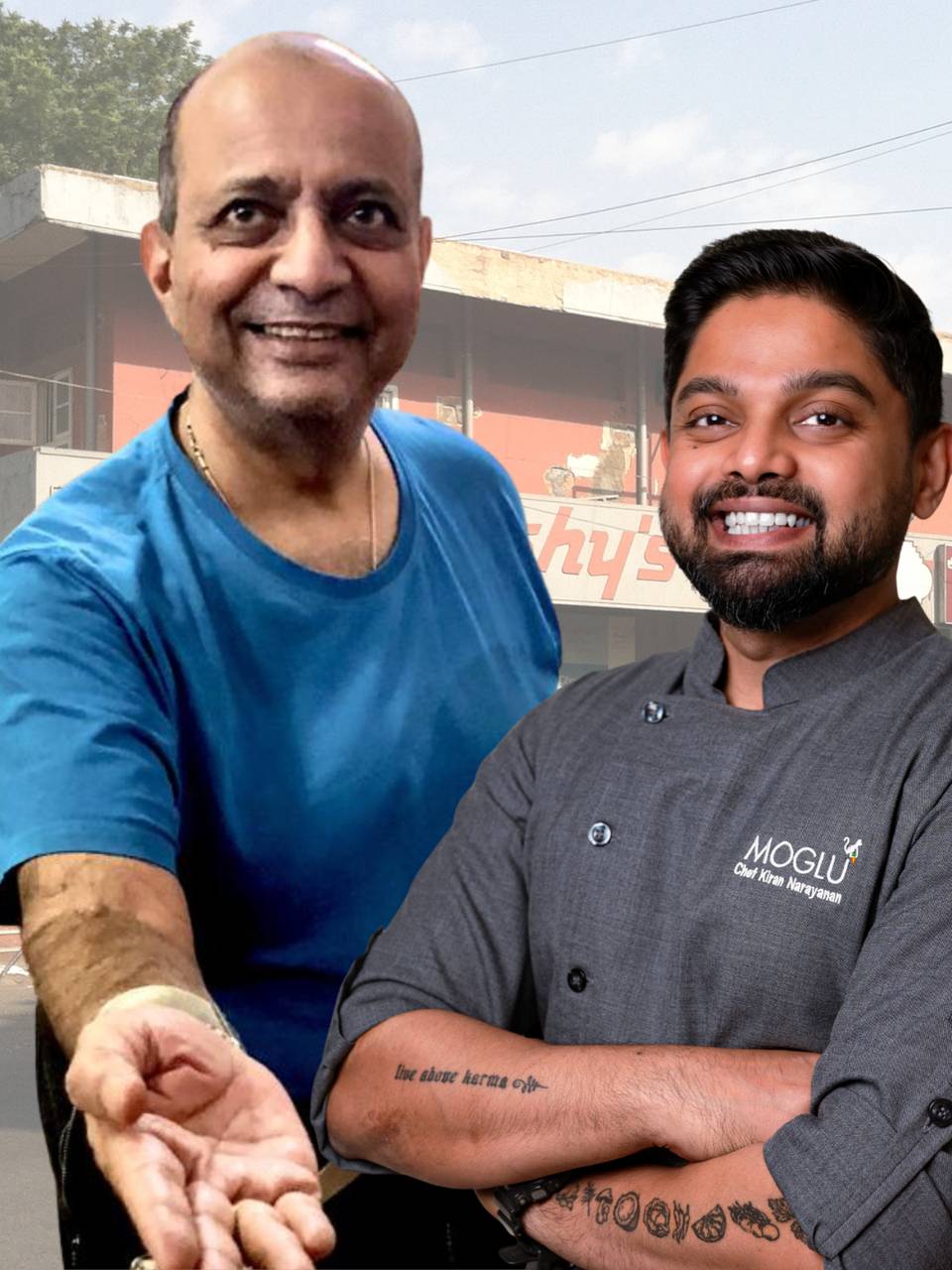
That rediscovery partly explains an upcoming collaboration between Koshy’s and Chef Kiran Narayanan of new age supper club, MOGLU. Narayanan recently met Prem Koshy and began exploring the Syrian Christian foundations of the restaurant’s food history.
“When I met Kiran, I realised he pays attention to detail,” Koshy said, “we need to make something different to attract the newer young Bangalore.”
Importantly, the collaboration is not being approached as nostalgia theatre. Nor is it an attempt to “modernise” Koshy’s in the usual restaurant-industry sense.
Instead, it appears to be an excavation. “Kiran brings the finer palate,” Prem said. “I am the landscaper and he is the gardener.”
That distinction feels unusually accurate.
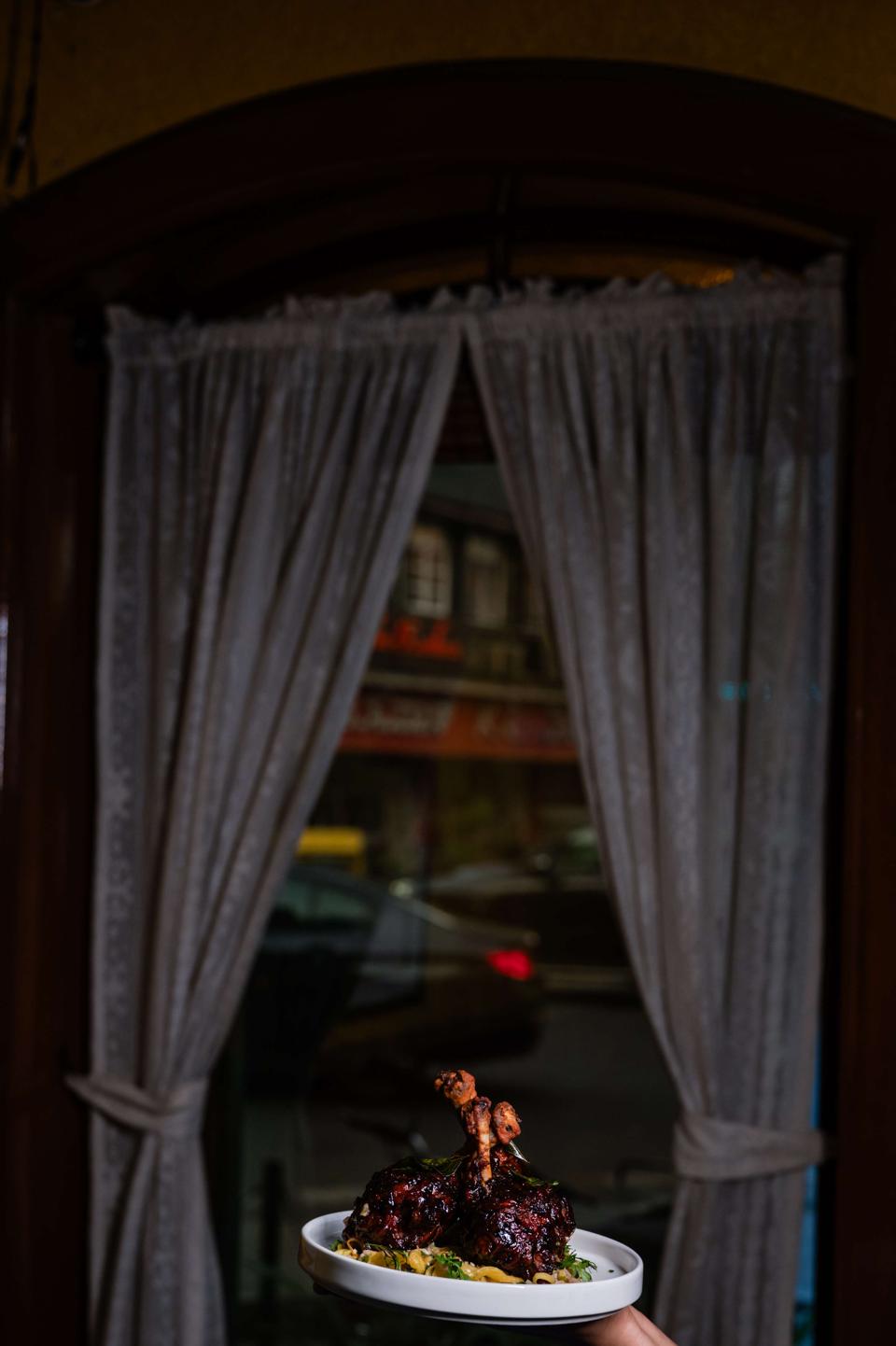
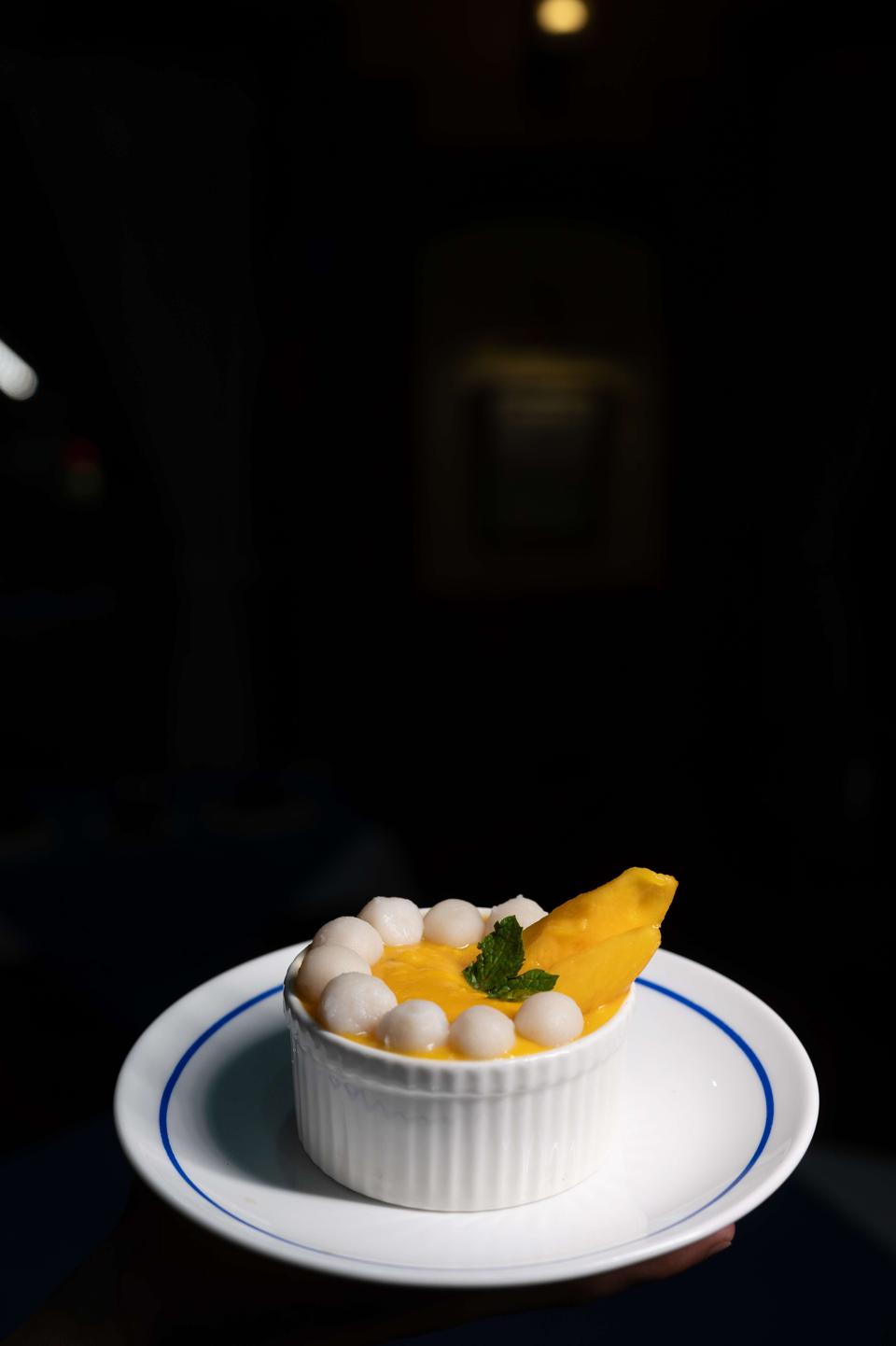
Some of the dishes at the pop-up include Jackfruit Appalam with Coorgy Ham & Cheesy Dip, Bannur Lamb Ularthiyathu, Syrian Christian style and Mango Coconut Custard.
Prem represents inheritance — instinct, memory, hospitality, oral culinary tradition. Kiran represents refinement and reinterpretation, approaching Syrian Christian cuisine not as frozen heritage but as living food.
“He’s adapting based on Syrian Christian cuisine,” Prem said. “He’s expanding the Koshy’s menu for this pop-up.”
Yet the larger story remains the cuisine itself.
A One-Night-Only Pop-Up | Koshy's, St Marks Road, Bangalore
22nd May 2026 | 7pm onward